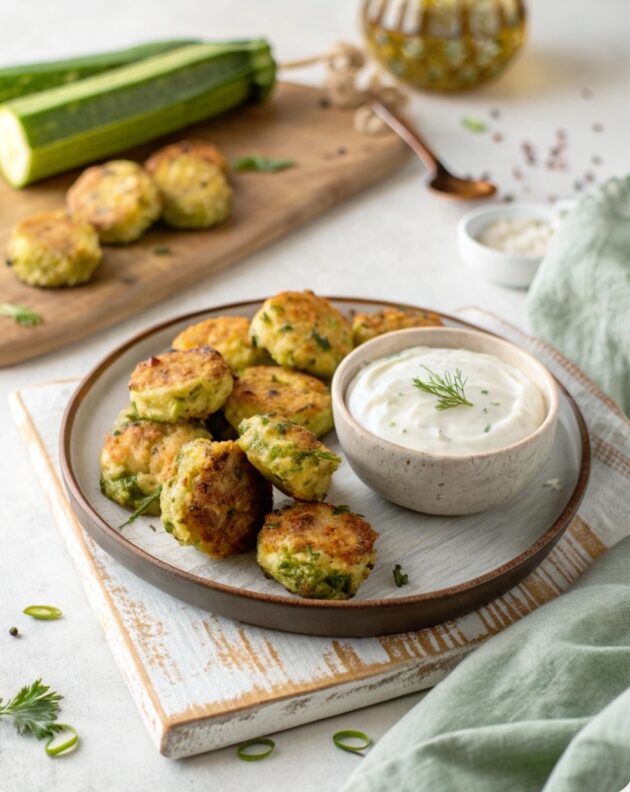
Kolokithokeftedes: Taste Summer with Crispy Greek Zucchini Fritters
Imagine the warm sun on your skin, the gentle lapping of waves against an Aegean shore, and the irresistible aroma of fresh herbs mingling with sizzling olive oil. That, in essence, is the experience bottled up in every bite of
kolokithokeftedes – the golden, crispy Greek zucchini fritters that truly taste like summer. More than just a simple snack or appetizer, these delightful bites are a culinary staple, embodying the vibrant freshness and convivial spirit of Mediterranean cuisine. If you’re seeking to infuse your kitchen with the joyous flavors of Greece, mastering the art of kolokithokeftedes is an absolute must.
What Are Kolokithokeftedes? A Culinary Introduction
At its heart, the name
kolokithokeftedes tells you everything you need to know: "kolokithi" translates to zucchini, and "keftedes" refers to meatballs or, in this context, fritters. So, essentially, you're enjoying delectable zucchini fritters. Far from being an ordinary vegetable patty, these Greek creations are renowned for their incredible balance of textures and flavors. Picture a perfectly golden-brown exterior that crackles with every bite, giving way to a tender, aromatic interior bursting with fresh herbs like dill and scallions, and the salty tang of crumbled feta cheese.
Kolokithokeftedes hold a cherished place in Greek culinary traditions. You’ll often find them gracing tables in bustling island tavernas and cozy mainland eateries, typically served as a mezze – a small dish meant for sharing, encouraging lively conversation and a leisurely dining experience. They’re a testament to the Greek philosophy of simple, fresh ingredients transformed into something extraordinary. Easy to make and universally loved, these fritters are an ideal starting point for anyone looking to explore authentic Greek flavors.
The Secret to Perfect Kolokithokeftedes: Ingredients and Preparation
Crafting the ultimate crispy
kolokithokeftedes involves a few key steps and a reverence for fresh, quality ingredients. While the concept is straightforward, paying attention to the details makes all the difference between a good fritter and an unforgettable one.
The Star Ingredient: Zucchini and the Moisture Mystery
The foundation of any great zucchini fritter is, naturally, the zucchini itself. Typically, about six medium to large zucchinis will yield roughly three cups of grated zucchini, which is a good starting point for a generous batch. However, the absolute most crucial step, often overlooked by beginners, is managing the zucchini's moisture content. Zucchini is packed with water, and if not properly drained, your fritters will be soggy and fall apart in the pan.
*
Grate and Salt: After grating your zucchini, spread it out on a layer of paper towels and generously sprinkle it with salt. The salt draws out the water through osmosis.
*
Wait and Squeeze: Let it sit for at least 30 minutes, or even up to an hour. You'll be amazed at how much liquid collects. Then, the magic happens: gather the zucchini in a clean kitchen towel or cheesecloth and squeeze out every last drop of moisture you possibly can. This step is non-negotiable for achieving that coveted crispy texture!
A Symphony of Herbs and Feta
Once your zucchini is prepped, it's time to infuse it with the soul of Greek cuisine. The fresh herbs are where much of the flavor pop originates. Dill and scallions are traditional favorites, offering a bright, oniony freshness that complements the subtle sweetness of the zucchini. A touch of nutmeg adds a warm, unexpected depth.
And then, there's feta. Crumbled salty feta cheese is a non-negotiable ingredient, providing a creamy texture and a delightful tangy counterpoint that makes these fritters utterly addictive. For those looking to experiment, a little fresh mint or parsley can also be added or substituted, offering subtle variations on the classic profile.
Binding and Frying to Golden Perfection
To bring everything together, beaten eggs and flour (or breadcrumbs) act as binders. You’ll mix your drained zucchini, herbs, spices, and feta with the eggs, then gradually incorporate flour until the mixture forms a cohesive "dough" that can be shaped into patties. Don't be afraid to adjust the flour slightly if your mixture feels too wet or too dry. For a comprehensive guide to mastering the fritter mix, check out our
Easy Kolokithokeftedes: Authentic Greek Zucchini Fritters Recipe.
Finally, the cooking process: heat olive oil in a large skillet over medium-high heat. Fry your 3-4 inch patties until they are golden brown on both sides, typically about 2-3 minutes per side. The goal is a crispy exterior with a moist, flavorful interior. While traditionally fried, for a slightly lighter option, kolokithokeftedes can also be baked, though the texture will be softer.
The Essential Accompaniment: Dips That Elevate the Experience
No plate of warm, crispy
kolokithokeftedes is truly complete without a refreshing dip alongside. The contrast between the hot, savory fritters and a cool, tangy dip is pure culinary magic.
The most classic and popular accompaniment is **Tzatziki**. This iconic Greek dip is a simple yet potent blend of thick Greek yogurt, grated (and often squeezed!) cucumber, minced garlic, a hint of lemon juice or red wine vinegar, and a generous swirl of extra virgin olive oil, seasoned with salt and pepper. The coolness and sharp tang of tzatziki perfectly cut through the richness of the fried fritters, creating a harmonious balance.
Beyond traditional tzatziki, a simpler yogurt dip can also be incredibly satisfying. Imagine combining thick Greek yogurt with just lemon juice, a drizzle of olive oil, fresh dill, and a touch of garlic. You can even crumble in a little more feta for an extra salty kick. Making your dip ahead of time allows the flavors to meld beautifully and ensures it’s perfectly chilled when serving. For an in-depth look at crafting the ideal partner for your fritters, explore
Kolokithokeftedes: Greek Zucchini Fritters with Perfect Tzatziki Dip.
Beyond the Taverna: Serving Kolokithokeftedes at Home
While these Greek zucchini fritters are a staple in tavernas, they are incredibly versatile and perfect for any home kitchen. They shine as an appetizer at a dinner party, a satisfying snack during an afternoon siesta, or even as a light lunch served with a big, fresh Greek salad.
Perfect Pairings:
* **Beverages:** Serve them warm with a chilled glass of crisp white wine, a refreshing beer, or even the traditional Greek spirit, ouzo, for an authentic experience. For non-alcoholic options, fresh lemonade or iced tea are excellent choices.
* **Meal Companions:** Kolokithokeftedes make a fantastic component of a larger mezze platter, alongside olives, hummus, dolmades, and pita bread. They also work wonderfully as a side dish to grilled fish, chicken souvlaki, or even a simple lemon-roasted potato dish.
* **Seasonal Celebration:** Embrace their connection to summer by serving them when zucchini is at its peak. It's a fantastic way to utilize a bountiful harvest and bring a taste of the Mediterranean sunshine to your table, no matter the season.
Making kolokithokeftedes at home is more than just cooking; it’s an invitation to share, to savor, and to create moments of culinary joy inspired by the laid-back, delicious lifestyle of Greece.
Conclusion
Kolokithokeftedes are a true gem of Greek cuisine – deceptively simple, yet packed with layers of flavor and texture that captivate the palate. From their irresistible crisp exterior to their tender, herb-infused interior, perfectly complemented by a cool, tangy dip, these Greek zucchini fritters are a celebration of fresh, seasonal ingredients. Whether you're planning a sophisticated appetizer spread or simply craving a taste of Mediterranean summer, these golden bites promise to transport you straight to the sun-drenched shores of Greece. So, gather your fresh zucchini, your fragrant herbs, and a block of salty feta, and get ready to experience the magic of kolokithokeftedes – you won't be able to stop at just one!